
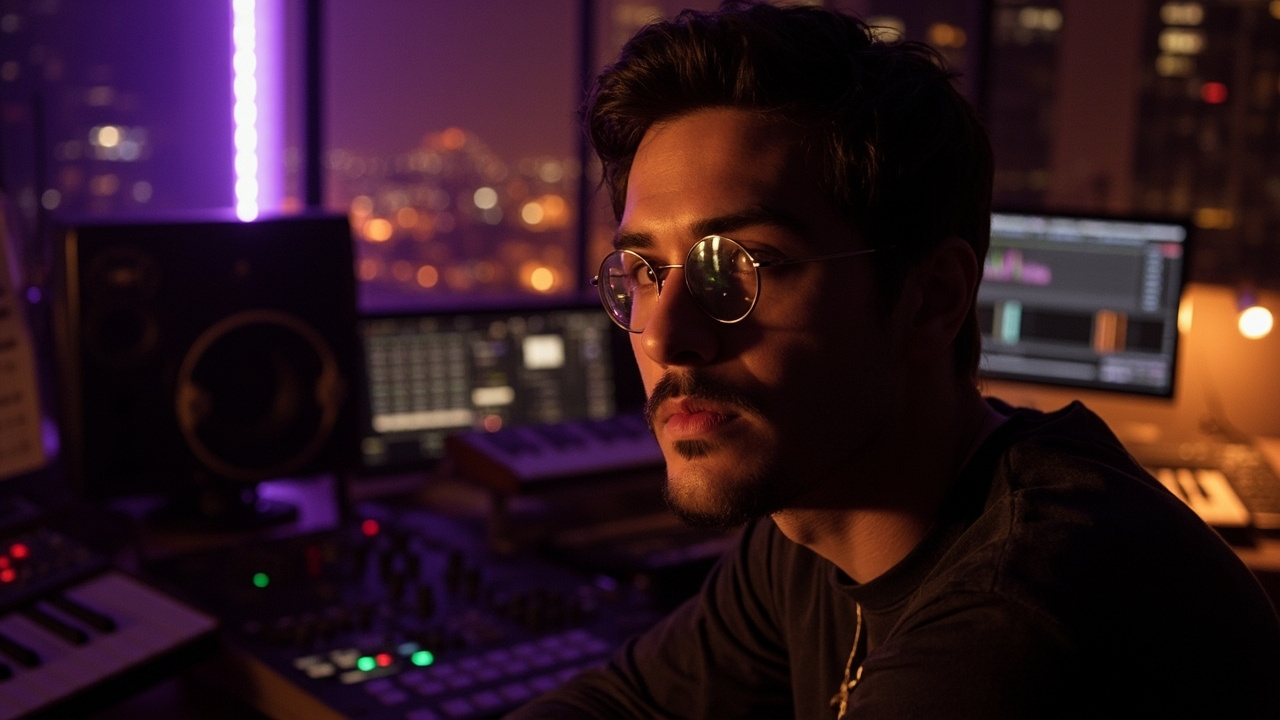
Gqeberha. Durban. Johannesburg. Cape Town. The cities are not the story — the scenes inside them are. Right now, in studios, on late-night sessions, at warehouse events, in online spaces where producers trade ideas at 2 AM — South Africa creative underground is building something significant. And almost nobody outside the room is paying attention.
South Africa has a music history that the global industry consistently underestimates. Miriam Makeba voice carried across continents. Ladysmith Black Mambazo built a catalogue that still generates revenue decades after recording. Artists like Black Coffee proved that South African electronic music could define global culture on its own terms — not as a regional curiosity, but as a leading creative force.
What the next generation of South African artists are attempting is different in one critical way: building infrastructure that does not require a traditional gatekeeper to access. Independent distribution, direct-to-listener models, tokenised ownership — these are not just Web3 concepts in this context. They are practical responses to a structural problem that has always existed in South African music: the people who create the most value are often the last to see any of it return.
The Gap That Keeps Artists Stuck
The creative industries contribute approximately 2.9% to South Africa GDP — below the global average of 3.1%. That gap is not a talent problem. South Africa produces globally competitive music, design, and digital content. The gap is infrastructure: how the value flows, who captures it, and whether a creator in Gqeberha has access to the same tools as one in Berlin.
Streaming platforms solved the discovery problem — anyone can get their music online. What they did not solve is the ownership and revenue problem. A South African artist can reach a listener in Norway through Spotify. That listener might stream the track hundreds of times. The artist sees a fraction of a cent. The platform keeps the rest. The label takes their cut. What is left is rarely meaningful.
The gatekeeping problem is not unique to South Africa. But the specific combination of limited label infrastructure, expensive traditional distribution, and a population that is early on Web3 adoption creates a specific opportunity that most international observers are still not paying attention to.
What Independent Infrastructure Actually Looks Like
The Vonenzo Baschello World — VBWLD — was built specifically to address the gap between creation and sustainable income. Not as a label in the traditional sense, but as a platform model designed for an artist building without institutional support.
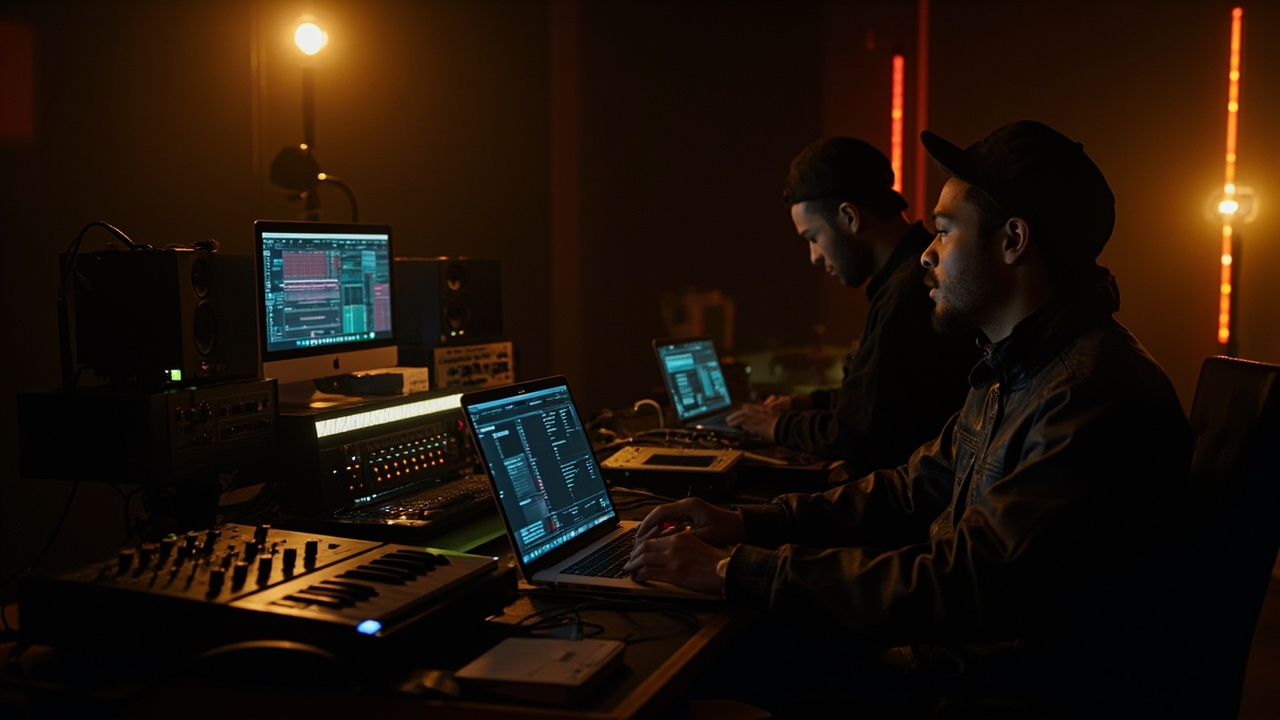
VBWLD operates across several arms simultaneously. The world itself is the umbrella — the creative identity, the brand, the direction. A new label arm is being developed to bring structure and resources to projects that fit within the world. An identity platform currently in development — Codename: IA — is designed to give people access to tools for understanding their own patterns and potential at a price point that does not require a professional consultation to afford. A broader algorithm concept — still in build — is designed to help people identify and sustain their personal creative zone over time.
Each of these exists because the traditional infrastructure was not designed to serve an independent artist building on their own terms. Not as a criticism of any individual or company — just a recognition that the old structures were not built for how the next generation of creatives actually want to operate.
The Token Utility Question
VBWLD token exists as a utility vehicle — not a speculative instrument, not a hype mechanism. Its function within the ecosystem is to facilitate transactions and provide stakeholder access to platform development. The Identity Collection on OpenSea represents the first real deployment of this model — NFTs with underlying utility tied to platform access and future services, designed as a permanent record of participation in the project rather than a speculative trade.
For South African creatives watching the Web3 space, the distinction matters: not all tokens and not all NFTs are the same. The ones worth understanding are the ones where the utility is clearly defined and the project has a plan for delivering on it. VBWLD is building in that direction deliberately.
The Actual Opportunity
South Africa creative economy does not need more content. There is already enough. What it needs is better infrastructure between creation and payment — and more people willing to build that infrastructure in ways that serve creators rather than extract from them.
VBWLD is one attempt at building that infrastructure. It is not the only one, and it is not claiming to have all the answers. But it is being built with a specific understanding of what the current system fails to provide, and it is being built independently — without institutional investment, without legacy gatekeepers, and without compromises that would undermine the original purpose.
The South African creative underground has always been good at building things without permission. The question now is whether the infrastructure that gets built can sustain itself — and whether the people who build it can find each other in time to matter on the scale they deserve.
That is the work. Everything else follows from there.
VBWLD — Vonenzo Baschello World. Music, identity infrastructure, and creative platform development for the independent economy. Follow the project development across the VBWLD ecosystem.
October 23, 2026
[…] SA Creative Capital: Why South Africa’s Underground Economy Is the Country’s Most Untapp… […]
October 23, 2026
[…] SA Creative Capital: Why South Africa’s Underground Economy Is the Country’s Most Untapp… […]