Gqeberha, ZA (December 2022)
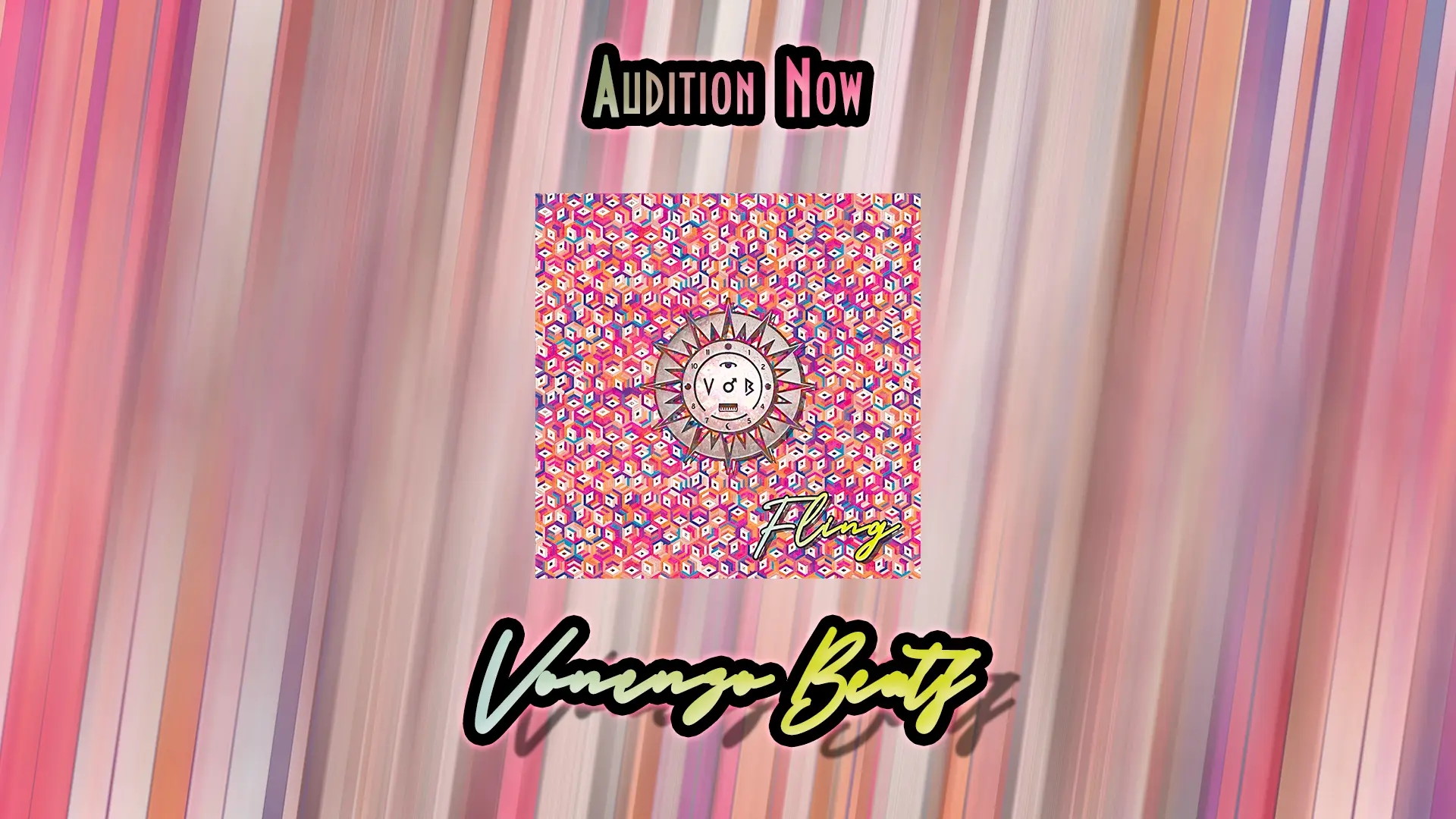
Recording artists and songwriters, ages 19-28, who are looking for an opportunity to collaborate can now work with Vonenzo Baschello on his upcoming song called “Fling.” This open call for auditions marked a significant moment for an independent artist operation that had been building momentum in South Africa’s electronic music scene.
Vaughn Wesley Cunningham, known professionally as Vonenzo Baschello, is a Creative, Executive, and Music Producer (Artist) who signed with BeatStars Publishing in 2021. His career trajectory reflects the entrepreneurial spirit of modern South African music — bypassing traditional gatekeepers to build directly with audiences and artists who share his vision.
What the Call Actually Asked For
Strip away the language and an audition call is a simple proposition: someone with a room, a catalogue and an audience is offering a piece of it to someone who has none of those things yet. That is the entire transaction. It is also rarer than it should be.
The brief was deliberately narrow — recording artists and songwriters between nineteen and twenty-eight. Narrowness is not exclusion for its own sake. A tight brief is what makes a call answerable. It tells a person whether they are the intended recipient, and it saves everyone the slow disappointment of a submission that never had a chance.
What mattered more than the age range was the requirement underneath it: that the artist could hold their own in a room. Contributing to a record is not the same as performing on one. It requires taste, restraint, the ability to hear where you are not needed, and enough confidence to argue when you are.
The Independent Artist Model
The Fling auditions represented an ongoing commitment to discovering and developing young talent. By casting a wide net and inviting artists from across the country to submit, Vonenzo Baschello followed in the tradition of legendary producers who built their reputations not just through their own releases, but through the artists they discovered and elevated.
There is a structural reason this matters in an independent operation. A label with institutional backing has a scouting department — people paid to find talent before anyone else does. An independent artist-producer has no such department, so the only way to build a roster is to open the door publicly and see who walks through. It is less efficient. It is also more honest, because the filter is the work rather than the pitch.
Why Discovery Is the Hardest Part
Most people assume the scarce resource in music is opportunity. It is not. The scarce resource is attention applied by someone who can actually do something with what they hear. Thousands of artists can make a good record. Very few people can listen to a hundred submissions, recognise the two that matter, and then build something around them.
That is the skill the call was testing for on the other side of the table. Not generosity — judgement.
The South African Independent Music Landscape
Independent music in South Africa has experienced a renaissance over the past decade. Artists no longer need major labels to reach audiences — digital distribution, social media, and direct-to-fan platforms have democratised access to the global music economy. However, infrastructure gaps remain. Many young South African artists lack access to professional studios, industry connections, or knowledge of how to monetise their craft beyond streaming.
The gap is not talent and it is not ambition. It is the unglamorous middle layer: who mixes the record, who registers the publishing, who knows that a split sheet signed on the day saves a friendship three years later. Those things are learnable, but only if somebody lets you into a room where they are being done.
Initiatives like the Fling auditions address these gaps directly. By bringing artists into a collaborative recording environment, Vonenzo Baschello offers emerging talent not just a feature on a single track, but exposure to professional workflows, industry knowledge, and networking opportunities that can accelerate their careers.
The Submission Process
The Fling auditions were open to recording artists and songwriters aged 19-28. This age range reflects a deliberate focus on a demographic often overlooked by mainstream industry gatekeepers — young adults with the maturity to contribute meaningfully to a recording but without the industry leverage or experience to access premium opportunities.
Artists who applied brought diverse influences and styles to their submissions. The resulting collaboration on “Fling” reflects the kind of cross-generational and cross-genre exchange that defines the most interesting music coming out of South Africa today.
What a Good Submission Says
Anyone who has run an open call will tell you the same thing: the recording quality barely registers. What registers is whether the person is identifiable within ten seconds. A voice with an actual point of view survives a phone microphone. A technically perfect take with nothing behind it does not.
The second thing that registers is whether the artist read the brief. A submission that answers the question that was asked is already in the top ten percent, because most people answer the question they wished had been asked.
Building a Sustainable Music Career
The broader context for Fling is the question of sustainability. South Africa’s music streaming market is growing rapidly, but revenue remains unevenly distributed. Artists who build early relationships with producers, labels, and publishers — even at the independent level — position themselves better for long-term careers than those who attempt to navigate the industry alone.
Streaming pays per play, and per play is a brutal unit of account when your audience is small. The artists who survive the early years are almost never the ones with the best single song. They are the ones who built a second and third revenue stream — sync, live, physical, membership, teaching — and who kept a functioning relationship with the people who helped them early.
Vonenzo Baschello’s work operates around this reality. By offering both a platform for releasing music and a framework for artist development, the approach bridges the gap between raw talent and professional opportunity. The mastering and release guidance for independent South African artists and the licensing explainer on exclusive versus non-exclusive beats exist for the same reason: the information is not secret, it is just unevenly distributed.
What an Open Door Is Worth
Any single audition call is a small event. Most of the people who submit will not be on the record. A few will, and one or two of those will look back on it years later as the week things changed. Nobody can predict which ones, which is precisely why the door has to be opened to everyone rather than to the people who already know somebody.
That is the whole argument for doing this publicly. Not charity, not content — an actual mechanism for a scene without institutional scaffolding to find its own next generation. The infrastructure is thin here. The talent is not.
For more on Vonenzo Baschello’s production work, artist collaborations, and the South African independent music scene, explore vonenzobaschello.com. Related reading: SA Creative Capital — why the underground economy is the country’s most untapped resource and Vonenzonian Prime.
Join the Newsletter
Vonenzonians, later you will receive an email to verify you're a holder of an NFT from my collections.